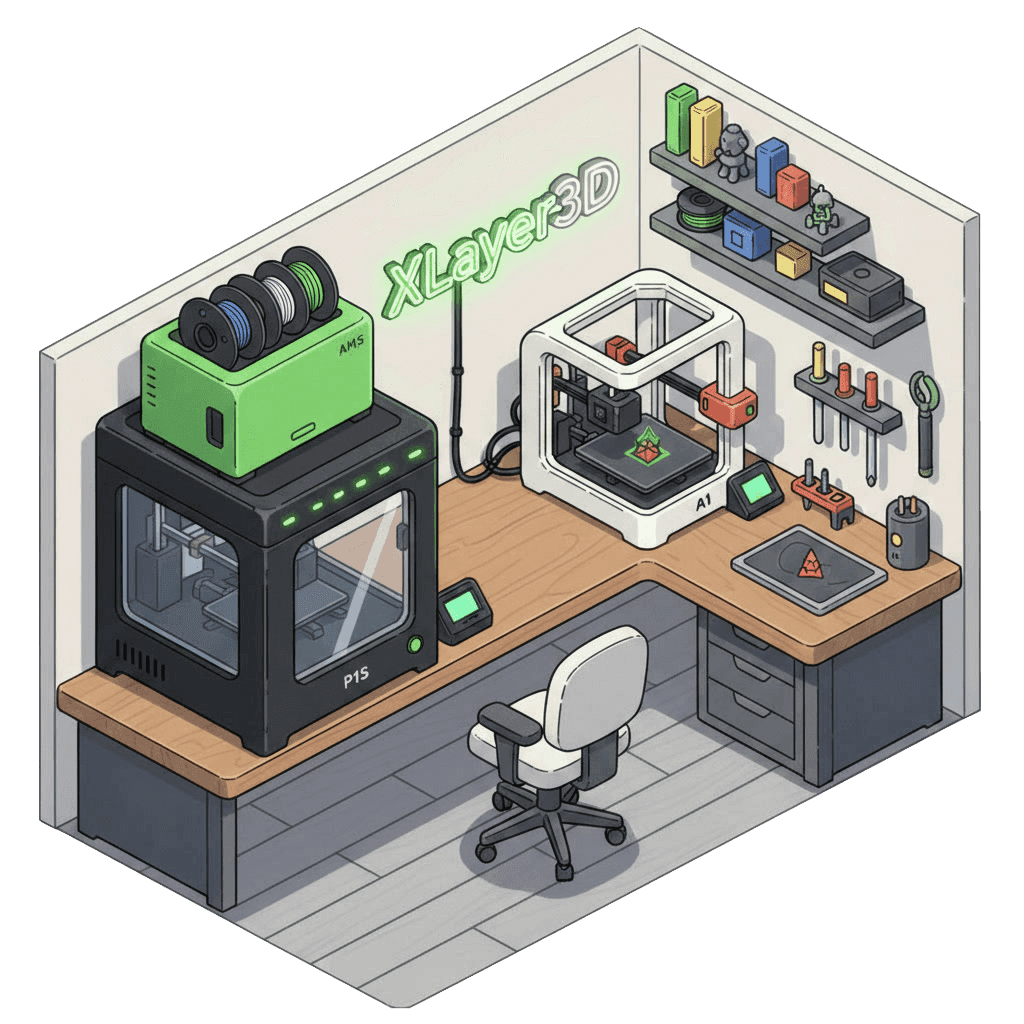
Introduction to 3D Printing
3D printing has revolutionized manufacturing and prototyping, making it accessible to hobbyists, educators, and businesses alike. Whether you're looking to create custom parts, prototypes, or artistic pieces, understanding the basics is essential.
Choosing Your First 3D Printer
When selecting your first 3D printer, consider factors like build volume, print quality, material compatibility, and ease of use. Popular options for beginners include FDM (Fused Deposition Modeling) printers, which are affordable and versatile.
Key Features to Look For:
- Build volume that matches your project needs
- Heated bed for better adhesion
- Auto bed leveling for easier setup
- Good customer support and community
Understanding 3D Printing Materials
The most common material for beginners is PLA (Polylactic Acid), a biodegradable plastic that's easy to print with and doesn't require a heated enclosure. As you advance, you can explore materials like PETG, ABS, and TPU for different properties.
Material Comparison
Here's a quick comparison of popular materials:
- PLA: Easy to print, biodegradable, but less heat resistant
- PETG: More durable and heat resistant than PLA
- ABS: Strong and heat resistant, requires heated enclosure
Your First Print
Start with pre-made models from sites like Thingiverse or Printables. This lets you focus on learning the printing process before diving into 3D modeling. Always level your bed properly and ensure your settings match your material.
Common Beginner Mistakes
Avoid rushing the learning process. Take time to understand bed adhesion, proper temperature settings, and how to troubleshoot common issues like stringing or layer separation.
Conclusion
3D printing is an exciting journey with endless possibilities. Start simple, learn from mistakes, and don't hesitate to reach out to the community for help. Happy printing!